The same refrigeration platform, packaged six different ways. Pick the industry and we will tell you which families apply, what the constraints are, and which models we normally start from.
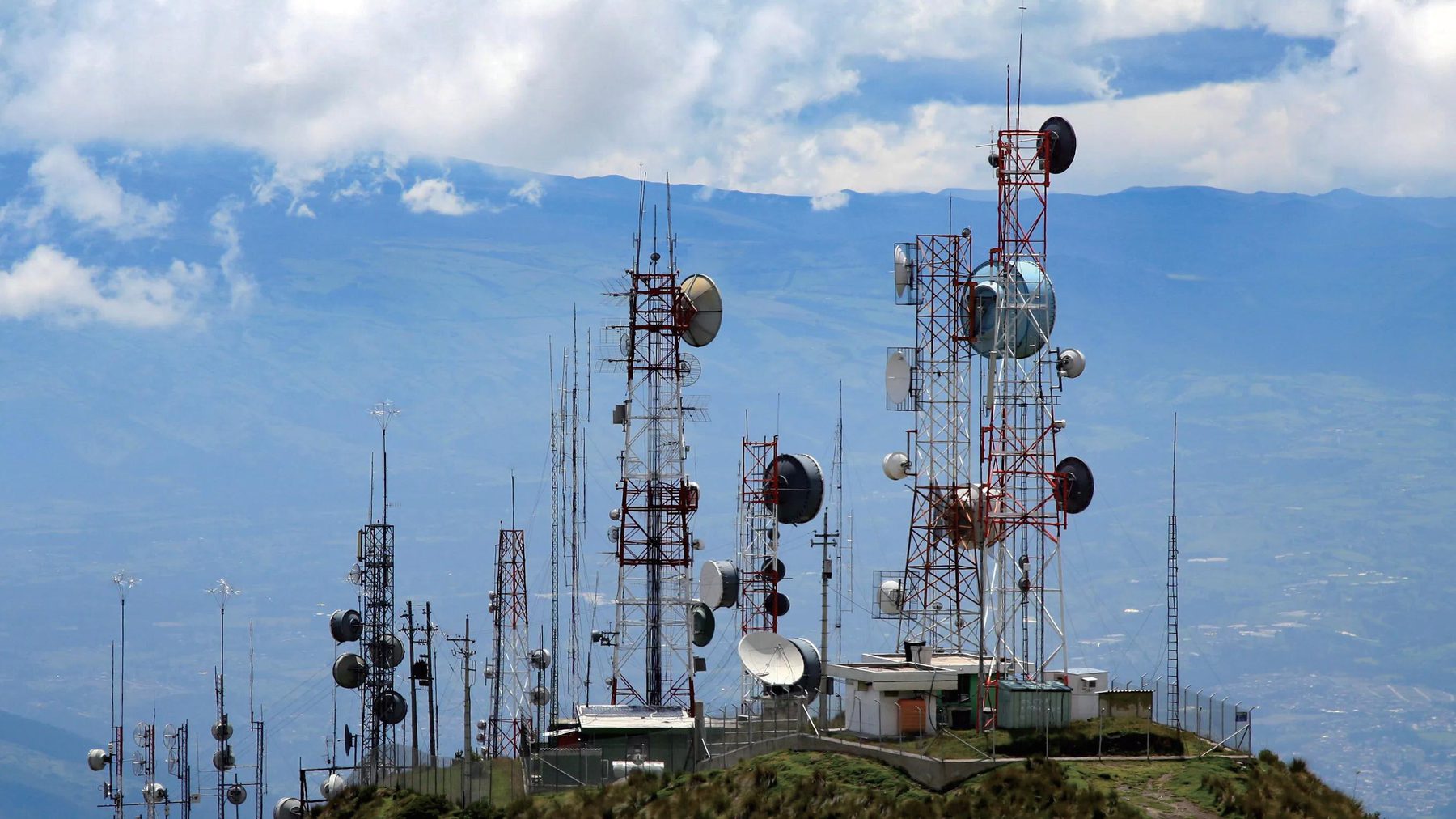
Hybrid-power base stations pay for cooling twice — once in energy, once in the generator runtime it forces. Our 48 VDC platform runs straight off the battery bus with no inverter loss, and the combo units fall back to passive heat exchange the moment ambient allows.
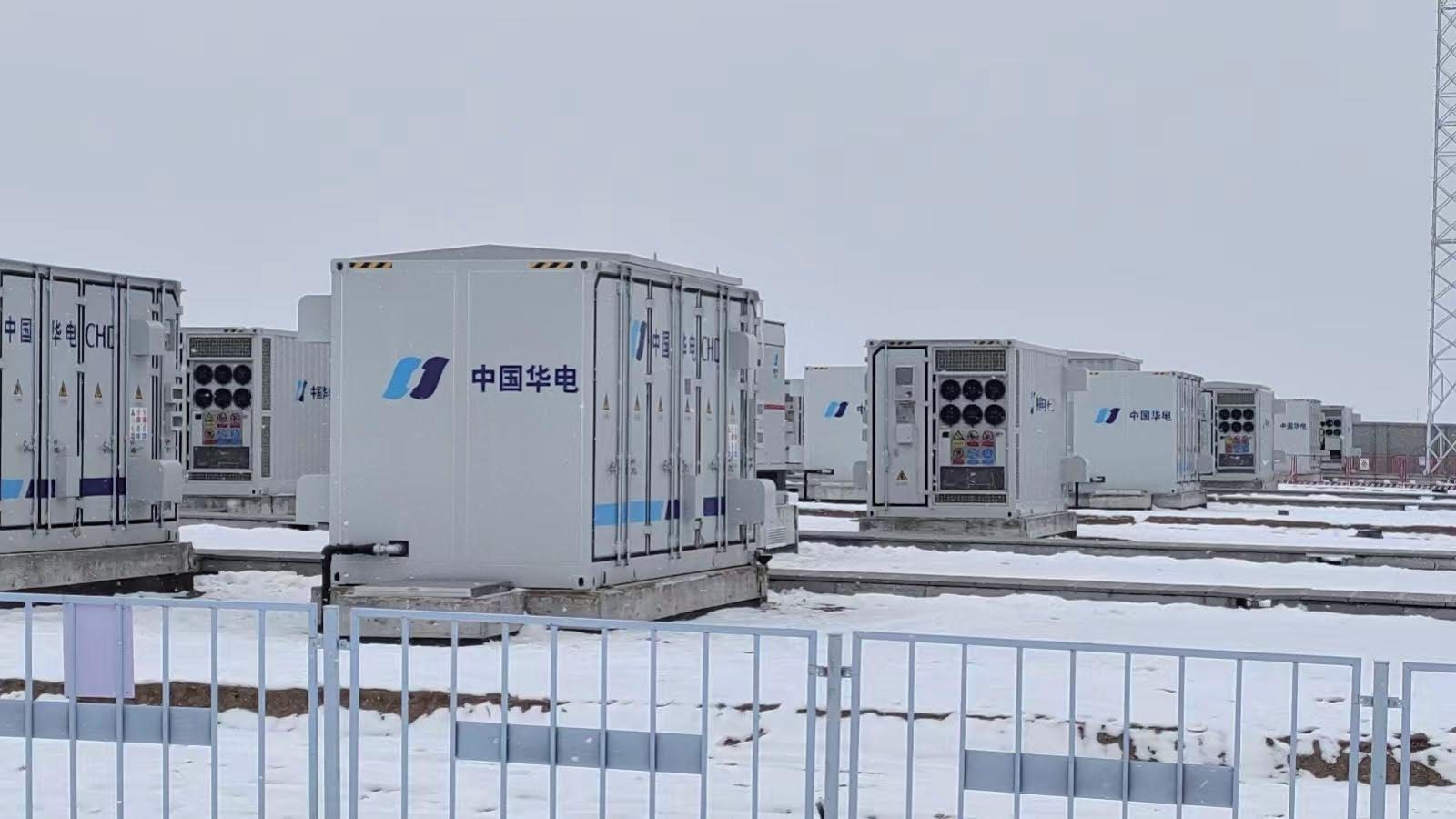
A pack that runs 8 °C hotter at one end ages at a different rate from the other. We build the whole climate stack — air cooler, liquid chiller and dehumidifier — so the delta across the rack stays inside the window the BMS was designed around.
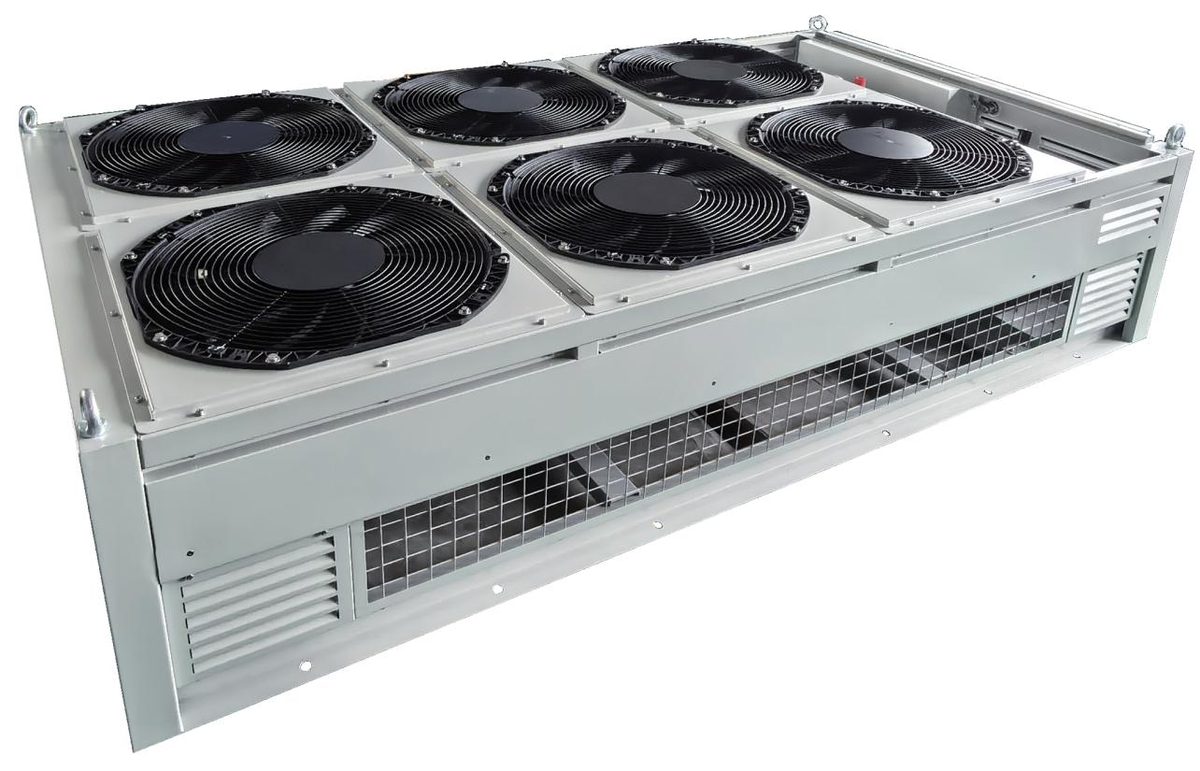
Most CDUs assume a facility water loop on the other side of the heat exchanger. Plenty of sites — containerised compute, PCS rooms, solid-state transformer halls, edge deployments — do not have one and are not going to get one. Ours rejects to ambient air instead.
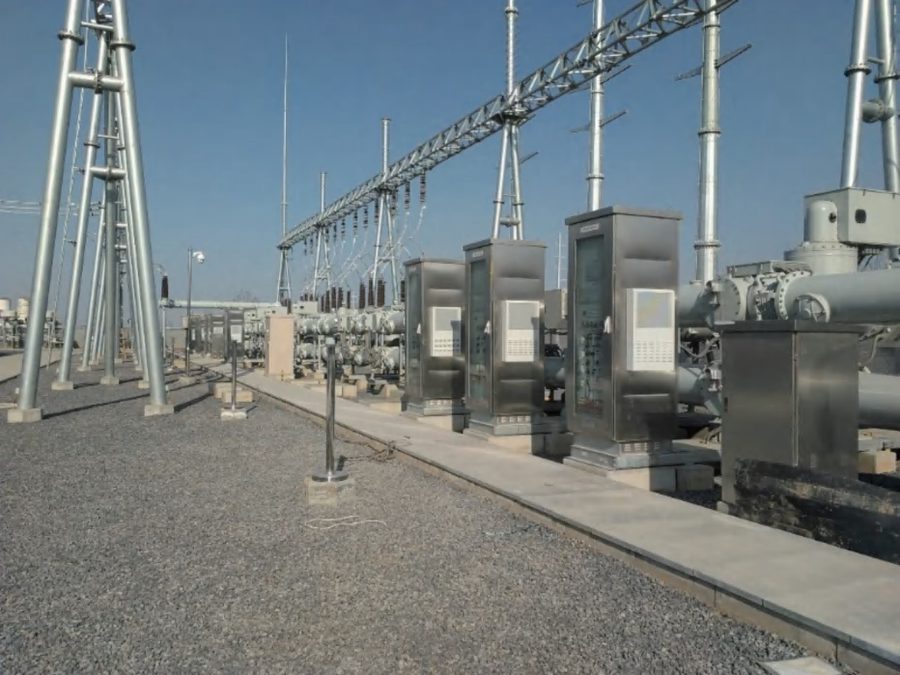
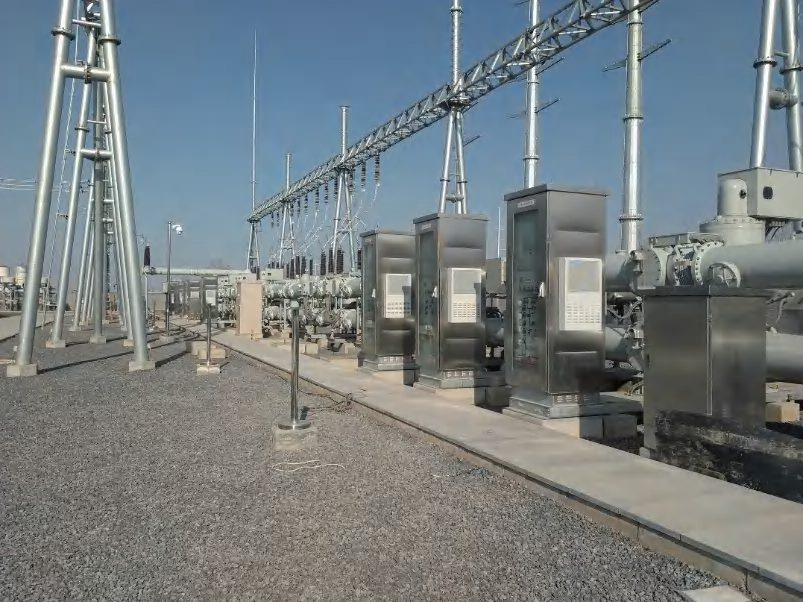
Substation and ring-main cabinets get commissioned and then left alone. The cooling has to be sealed against dust and condensation for a maintenance interval measured in years, which is why most of this work goes to heat exchangers rather than compressors.
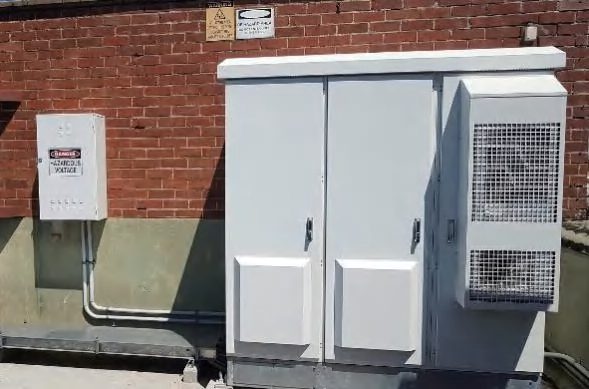
The failure mode in these plants is never capacity — it is the coil quietly dissolving. Internal refrigeration devices and pipework get high anti-corrosion electrophoresis or an optional nano coating, and the outdoor-side dust net is plug-in so site staff can replace it without tools.
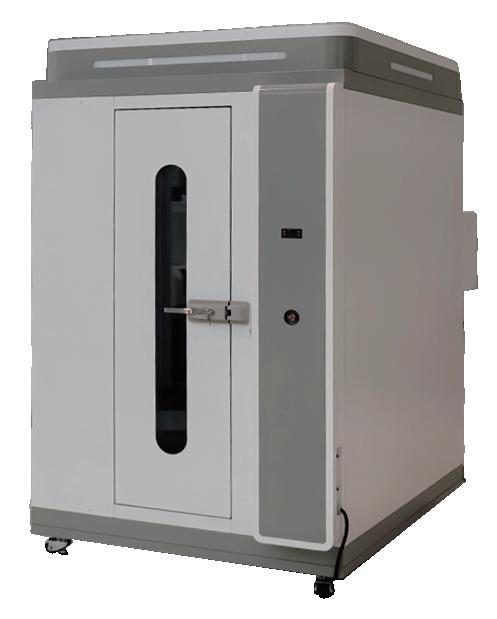
This work is almost entirely OEM: the unit disappears inside an analyser or a reagent cabinet and is judged on how tightly it holds a set point and how quietly it does it. One circulation pump feeds several cooling points, with the set point configurable over RS-485.
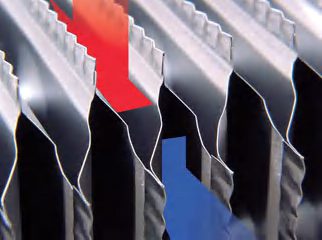
Cross- and counter-flow plate recuperators to 10,000 m³/h, in aluminium, acrylic-protected aluminium or stainless steel — meeting European Ecodesign 2016 and 2018. This is where the company started in 2011, and it still underpins every sealed-cabinet product we make.
Dissipation in watts, ambient range, enclosure size, power available, corrosion class. That is enough for us to come back with a model number.